
Virginia's Plan for a 300,000-Home Gap: Where the Jobs Will Be
Virginia's new housing plan targets a 300,000-home gap with apprenticeships, factory-built homes and faster permits. Here's where the property jobs will be.
Virginia just tied its housing plan directly to jobs and skills, and I think that's exactly the right call.
On Friday, November 20, Gov. Abigail Spanberger unveiled her Housing Opportunity Framework at the Governor's Housing Conference in Hampton. It's a 29-page, three-year roadmap built around six pillars. It starts with a blunt number: Virginia is short more than 300,000 affordable homes, and the statewide median home price is now $449,000.
You don't fix a gap that size with speeches. You fix it with people: tradespeople, factory crews, permit reviewers, developers, property managers and lenders. If you work in property, or want to, here's what's in the plan and where I think the jobs will show up.
What Virginia actually announced
The framework has six goals, as WSLS reported:
- Build more affordable housing in every community
- Preserve and rehabilitate the affordable homes Virginia already has
- Create homeownership opportunities for first-time buyers
- Unlock manufactured and modular housing
- Cut red tape and modernize regulation
- Strengthen pathways to housing stability
It builds on eight housing bills Spanberger and General Assembly Democrats outlined two days earlier, on November 18, at an apartment community in Woodbridge. According to the Royal Examiner, those bills would use surplus state-owned land for housing, encourage homes near public transit, and set up a fund to help localities and nonprofits buy affordable apartments before their affordability restrictions expire. They still have to pass the 2027 session.
Two honest caveats. First, the framework doesn't force localities to change zoning. As The Alexandria Brief put it, it relies on incentives, technical assistance and grant scoring instead. Second, the money it highlights was mostly approved earlier. The Royal Examiner notes $175 million over two years for the Virginia Housing Trust Fund, a $20 million housing development pilot and $67 million for home energy efficiency. None of that is new on Friday.
So this is a direction, not a building boom overnight. But direction matters, because it tells employers where to hire.
The line every tradesperson should read
Buried in Pillar 1 is the line I care about most. The state says it will "strengthen the residential construction workforce and small business supports by expanding career pathways, including registered apprenticeship programs, to address workforce gaps that constrain housing production."
In plain English, Virginia's own housing plan admits that a shortage of workers is holding back home building. That's the same story we've been tracking nationally, from the construction retirement wave to builder confidence hitting a 14-year low. When a state writes apprenticeships into its housing strategy, the earn-while-you-learn route into carpentry, electrical, plumbing and HVAC gets more support, not less.
The same line promises help with "credit, training, and capital to turn their skills into new construction businesses." If you're a skilled tradesperson who has thought about starting your own small building or remodeling firm, keep an eye on what Virginia funds here.
Factory-built homes could mean factory jobs
Pillar 4 is the one I find most exciting. Virginia wants to "attract more factory-built housing plants to Virginia, creating Virginia jobs." It also wants to support small and midsized builders with training to deliver manufactured and modular homes "efficiently and at scale," and to use Virginia-grown materials, including cross-laminated and mass timber.
This builds on a 2026 law that requires manufactured homes to be allowed by right in any residential zone where site-built single-family homes are allowed.
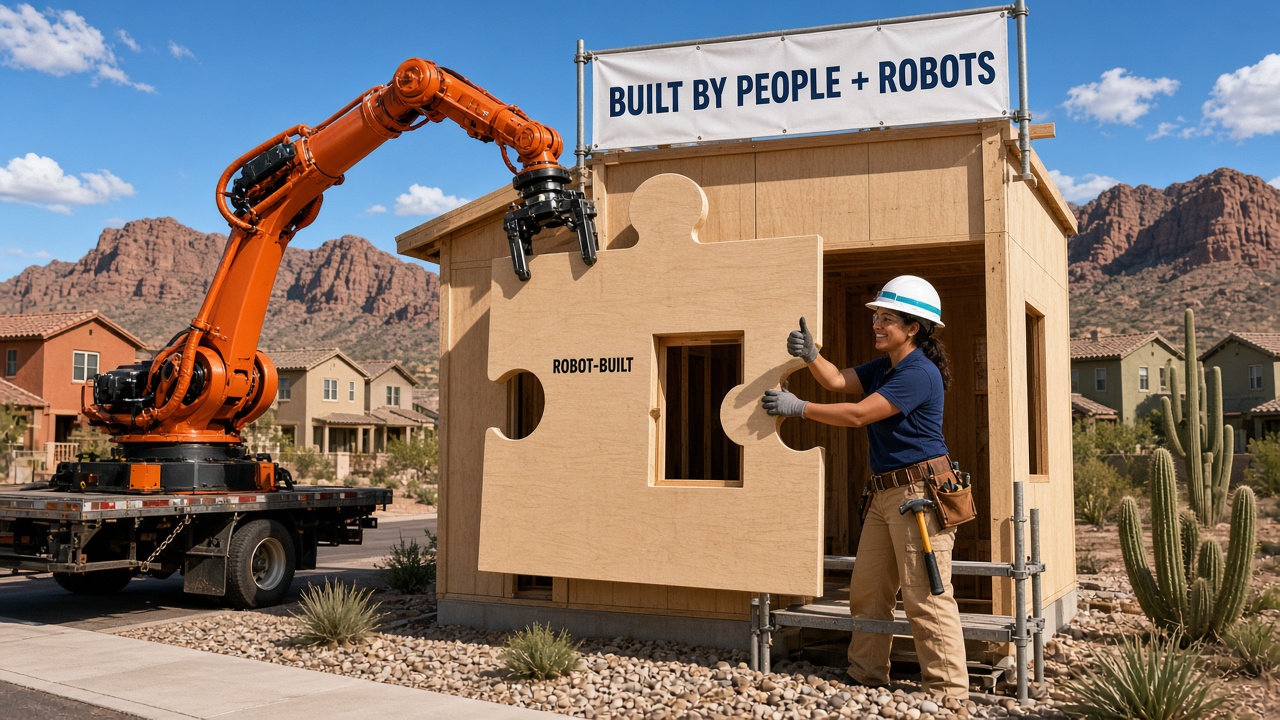
Factory-built housing is where construction meets manufacturing. The roles are real and varied: production line workers, set crews who install modules on site, quality inspectors, estimators, logistics coordinators and plant managers. It's steadier, indoor work, which suits people who want construction skills without chasing a new job site every few months. It's the same shift we covered with robots helping frame homes: new methods don't remove people, they change which skills get hired.
Faster permits need sharper people
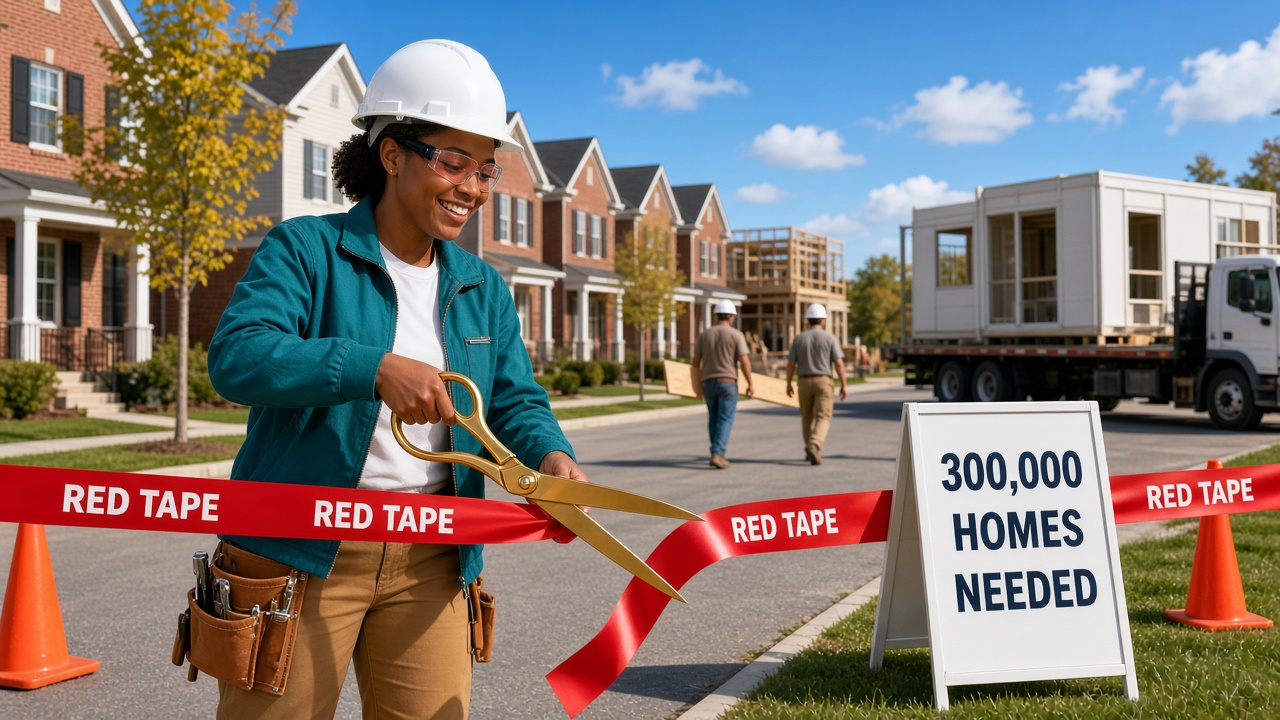
Pillar 5 is about cutting red tape. The plan points to digital permitting tools, pre-approved design plans, response deadlines for technical reviews, and road and traffic reviews that are faster to get through. It also backs turning underused commercial buildings into homes and mixed-use communities.
That creates demand on both sides of the counter:
- Local government: permit technicians, plan reviewers, planners and housing program staff who know the new tools.
- Developers: development managers and construction project managers who can move a project through approvals quickly. Adaptive reuse work especially rewards people who can read an old building and see the apartments inside it.
I'm optimistic about this part. Digital permitting and AI-assisted plan checking are some of the most useful tech in property right now, and the people who learn them early will be in demand everywhere, not just in Virginia.
Preservation means management jobs too
Not every job is on a construction site. The plan to preserve existing affordable homes, plus the proposed fund to buy at-risk apartments, means more buildings changing hands and being rehabbed. That needs acquisitions analysts, affordable housing compliance specialists, property managers and maintenance technicians who can run older communities well.
The administration has also said it will look at the practices of large corporate landlords, though it hasn't named any specific rules yet. If you work for a big single-family rental operator in Virginia, that's one to watch.
My take
Commerce Secretary Carrie Chenery said it best: "Housing affordability and supply is directly tied to our economic competitiveness." Virginia is treating housing as economic infrastructure, and that's the right frame.
The plan won't build 300,000 homes by itself. But it points clearly at the skills that will be in demand for years: trades with apprenticeships behind them, factory-built construction, faster permitting and smart management of older buildings. If you're in Virginia, or anywhere with a similar shortage, those are the skills to build now.
Ready to be part of the build? Browse construction, development and property management jobs across the USA and Canada.