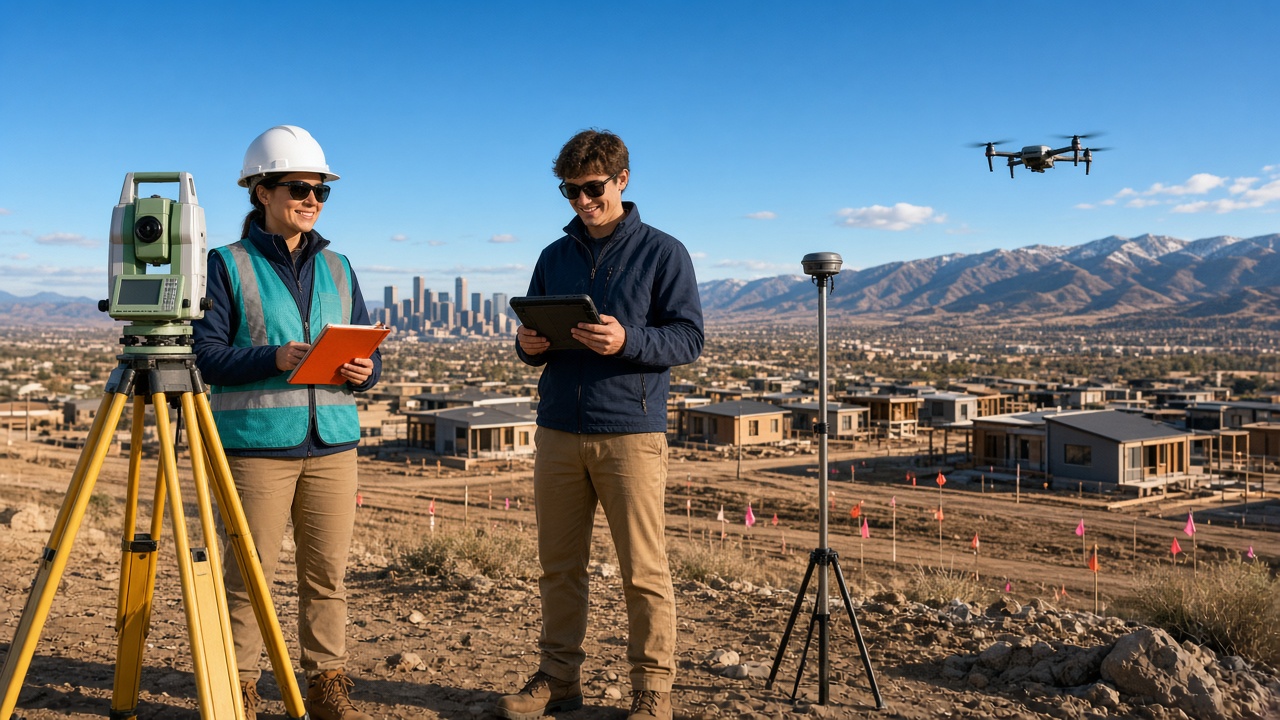

Data Center Megaprojects: Which Jobs Are Real Right Now?
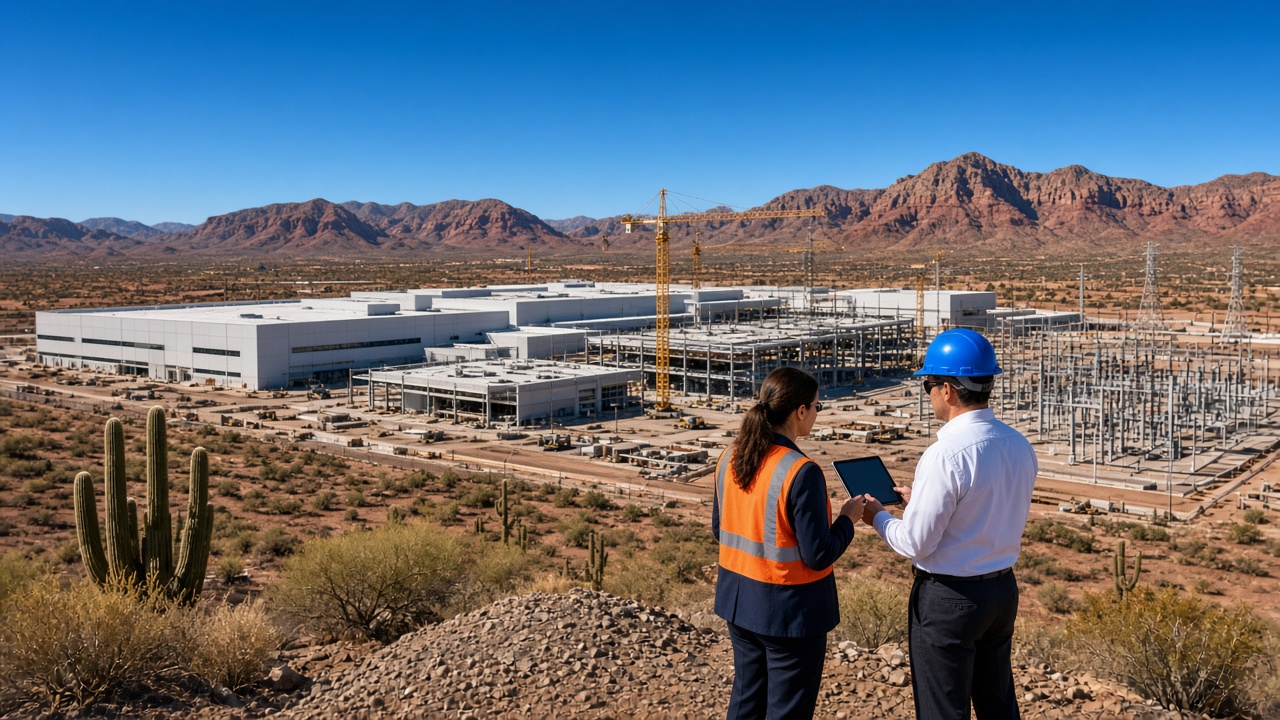
SpaceX's Arizona plan, Fluor's Kentucky win, Amazon's Indiana build and Utah's stalled Stratos: how to tell real data center jobs from promises.
If you work in construction, facilities or commercial property, the past few days were a crash course in how the AI building boom really works. Four data center stories landed between November 4 and November 9, and together they tell you something more useful than any single headline: which jobs are real today, which are coming soon, and which are still just a number in a pitch deck.
I'm genuinely excited about this wave. Building the physical backbone of AI is one of the biggest construction stories of our lifetimes. But excitement is no excuse for packing up the truck before a project has its permits. So let's sort the signal from the noise.
The four stories
1. SpaceX goes big in Arizona. At a November 4 community meeting in Cochise County, SpaceX confirmed it's behind a proposed AI computing campus near the Apache Generating Station, filed under the name Tombstone Resources. The application covers up to nine buildings, about 4.4 million square feet on 747 acres, with power demand that could reach six gigawatts. The applicant projects up to 5,500 construction workers and about 1,000 permanent jobs, according to the Sierra Vista Herald/Review, plus around $3.6 billion in grid upgrades. As All Things Elon summed up on November 9, the headline investment is about $50 billion, with phase one construction discussed for spring 2027. The catch: a county Planning and Zoning hearing isn't until December 9, and no final power or land agreements have been signed.
2. Fluor gets the green light in Kentucky. Construction Dive reported on November 9 that TeraWulf has awarded Fluor a full engineering, procurement and construction contract for its $4 billion Justified Data Campus in Hawesville, Kentucky. Early construction has already started, commissioning is in Fluor's scope, and phased completions are expected from late 2027 into mid-2028. Regulators approved the electric-service agreement back in August, and Anthropic has about $19 billion in contracted lease commitments at the site. This one is real, funded and moving dirt.
3. Amazon keeps building in Indiana. The South Bend Tribune, via InkFreeNews on November 9, reported that Amazon's $13.8 billion campus near New Carlisle is moving toward its third and final parcel. Sixteen of a planned 32 buildings are done or underway, AWS has hired more than 1,000 permanent employees, and the county expects two to three more years of construction.
4. Utah's Stratos hits the brakes. On the flip side, Deseret Magazine reported on November 8 that Utah's Military Installation Development Authority has halted development of Kevin O'Leary's Stratos project in the Hansel Valley while lawsuits and citizen-led referendums play out. O'Leary has promised 10,000 construction jobs and 2,000 maintenance jobs for the first 1.5-gigawatt phase. The developer says it's still pursuing water and environmental approvals, and state lawmakers expect to take up data center bills in January.
The pattern: three stages of a megaproject job
Put those side by side and you get a handy mental model.
- Promised: Stratos and, for now, the SpaceX Arizona campus. Big numbers, real ambition, but approvals still pending. Great to watch, risky to relocate for.
- Mobilizing: TeraWulf's Kentucky campus. Contract signed, early works underway. This is when general contractors staff up project managers, superintendents, safety leads, schedulers and commissioning teams, and when trade partners start hiring electricians and pipefitters.
- Operating: Amazon in Indiana. The construction wave is still rolling, but the long-term story is the 1,000-plus permanent jobs: critical facilities technicians, data center operations staff, security, maintenance and facilities managers.
That last stage is where property people should pay the most attention. A data center is a building, and buildings need people to run them for decades.
Everyone is chasing the same crews
The other story from the weekend is the talent crunch. DPR Construction's Q4 2026 advanced technology market analysis, covered by MarketScale, says AI data centers and advanced manufacturing plants now compete for the same electricians, mechanical trades, commissioning specialists and field leaders. DPR also says developers are looking beyond Northern Virginia, Texas and Phoenix to places like Wyoming, Missouri, Ohio, Indiana and Louisiana.
That matters if you're in a "smaller" market. The work is coming to you, not just to the usual hubs. And with residential builders and subcontractors shedding 16,400 jobs in October while nonresidential added 13,300, according to the AGC, plenty of skilled people are weighing a move from housing into mission-critical work.
What I'd do this week
If you're a construction manager or project engineer: Put any commissioning, MEP coordination or prefab experience right at the top of your resume. Those are the words recruiters for these campuses are searching for. Our guide to what a construction project manager does breaks down the career path.
If you're in facilities or building engineering: Look at "critical facilities" and "data center operations" titles. The skills overlap heavily with what you already do in commercial buildings: chillers, switchgear, uptime and vendor management. See our facilities manager and building engineer guides.
If you're thinking of relocating: Before you move for a megaproject, check three things: has it got its zoning and permits, has a general contractor been named, and has ground actually been broken? Kentucky and Indiana pass that test today. Arizona and Utah don't yet.
Use AI to do the homework. Tools like Grok Bot, Claude or ChatGPT can pull together a quick briefing on a project's approval status, the contractors involved and the county meeting calendar. Just check the primary sources before you act, because project timelines change fast.
The bottom line
The AI build-out is creating real, well-paid property and construction careers, and many will last long after the cranes leave. The smart move is to follow the approvals as closely as the announcements. Promises are exciting. Signed contracts are better.
Ready to find your next role in construction, facilities or commercial property? Browse the latest jobs on PropertyRoles.com and set up an alert so the good ones find you first.